 US | en

Blog Post
Fire Protection in Data Centers
Jun. 24, 2026
Data centers are the backbone of modern business. Cloud computing, banking, healthcare, logistics, and government operations all rely on uninterrupted service. While the goal is always to avoid any emergencies, having reliable components in place in case of a fire is critical for data centers.
Why Fire Protection is Mission-Critical in Data Centers
A fire in any building is dangerous; a fire in a building full of servers, cables, and nonstop electrical energy can escalate in seconds and threaten millions of dollars in equipment and data. Even a small fire can cause outages, loss of critical data, damage to sensitive electronics, and safety risks for personnel. Fire protection systems must be reliable, fast-acting, and built with high-quality components that perform under pressure.
Fire Risks Unique to Data Centers
Data centers pack an enormous amount of electrical energy, heat, and cabling into tight spaces. Fires often start small but spread quickly due to airflow. Some common fire risks unique to data centers include:
-
High electrical load: Data centers run thousands of servers and power distribution units. Electrical faults can ignite instantly and burn intensely.
- Heat-intensive environment: Even under normal operation, equipment runs hot. A cooling failure or thermal runaway can turn a warm spot into an ignition point.
- Dense cabling: Cable trays and underfloor wiring contain plastics that burn hot and produce toxic smoke, making suppression more difficult.
- Sensitive electronics: Traditional fire suppression with water can destroy equipment even if the fire is small. That’s why data centers rely on specialized systems and why every component in the system must be reliable.
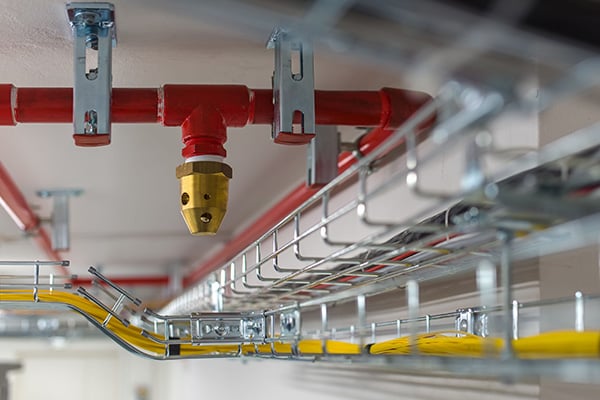
Fire Protection Systems Commonly Used in Data Centers
NFPA 75, the Standard for the Fire Protection of Information Technology Equipment, developed by the National Fire Protection Association (NFPA) includes the minimum requirements for fire suppression systems in areas with complex IT systems, such as data centers. Data center fire protection can be broken down into three areas: building level, room level, and rack level.
At the building level, the focus is to keep the building and personnel safe with fire-rated floor assemblies, firewalls, and handheld extinguishers similar to any other building.
The room level is where NFPA 75 applies. NFPA standards require sprinkler systems to protect data centers. While standard wet sprinkler systems can be used, there are two other options that are better suited to minimize damage to electrical equipment.
-
Pre-action sprinkler systems: Require two points of fire detection before activating. This ensures the threat of a fire is real before water is dispersed since it can damage equipment.
- Clean agent suppression systems: Use an inert gas, not water, to extinguish fires without damaging electronic equipment. The gas absorbs the heat and displaces oxygen to stop the fire and minimize downtime.
Dixon Fire Products for Data Centers
In addition to data center cooling products, Dixon provides fire protection products to ensure fire suppression systems perform when it matters most.
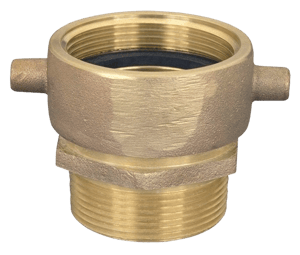
Brass Female Swivel x Male Adapter - Pin Lug
Details
- Installed on standpipe outlets, hose stations, and fire risers
- Enables quick connections of fire hoses during emergencies or maintenance
- Brass construction resists corrosion and ensures reliable performance in critical fire protection infrastructure
Details
Details
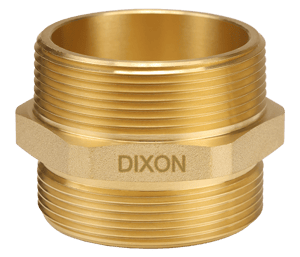
- Used to adapt mismatched hose threads or connect two female fire hose fittings
- Common in hose cabinets, maintenance setups, and testing configurations
- Brass construction provides durability and compatibility across a wide range of fire protection equipment
800# Double Jacket All Polyester Fire Hose
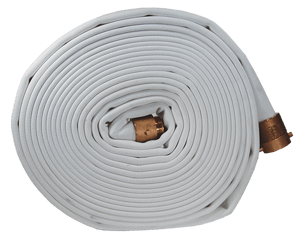
- Installed in fire hose cabinets throughout the facility
- Designed for rapid deployment by trained staff and emergency responders
- Double jacket polyester construction offers high abrasion resistance, long service life, and reliable performance under pressure
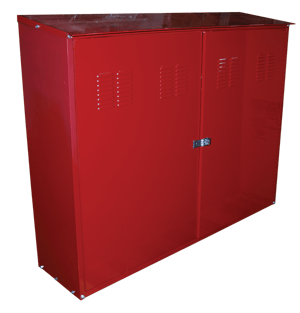
Details
- Mounted in hallways, mechanical rooms, and equipment areas
- Houses fire hoses, nozzles, and adapters for quick access
- Protects equipment from dust, damage, and unauthorized use
- Secure, durable storage solution that keeps fire response equipment organized and ready
Storz Fire Department Connections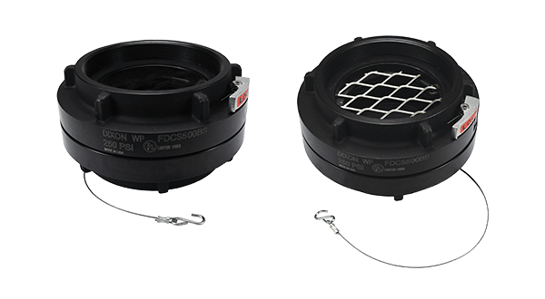
Details
- Installed on exterior walls or near designated fire lanes
- Provide a quick-connect, quarter-turn interface for fire department hoses, enabling faster water supply to standpipe or sprinkler systems
- Increasingly preferred in modern data centers for speed and compatibility with municipal fire equipment
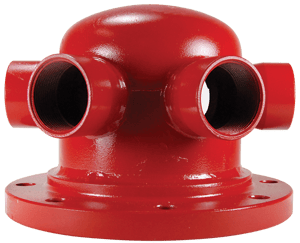
Details
- Located outside the fire pump room or on the exterior of the building
- Used for annual fire pump testing required by NFPA 20
- Ensures the fire pump is always ready
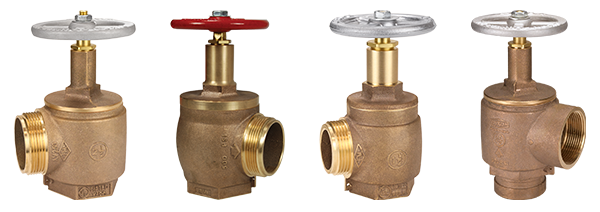
Details
- Found in hose cabinets, standpipe outlets, and fire riser rooms
- Control water flow to hose stations and regulate pressure during use
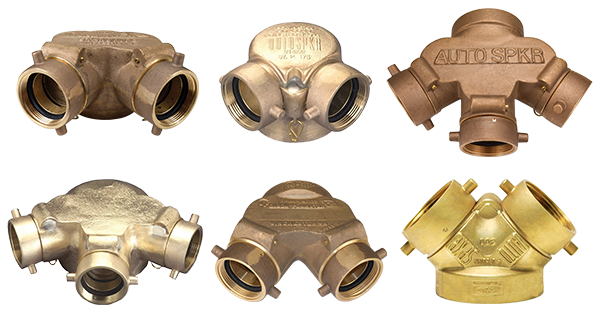
Details
- Installed on exterior walls where concealment isn't required
- Serve as traditional fire department connections for supplying or boosting water to the building's suppression system
- Positioned for maximum visibility and accessibility to responding fire crews
Summary
Data centers demand absolute reliability and constant uptime. Fire protection systems are only as strong as their weakest component, so it is important to have The Right Connection® in place to be safe rather than sorry.
For more information, visit dixonvalve.com or call 877.963.4966.
